
Feline Viral Rhinotracheitis or Feline Herpes
FVR is a species-specific causing infections in domestic and wild cats of all ages. This is one of the most common causes of respiratory illness and conjunctivitis in cats. Almost all (97%) of cats have been exposed to FVR in their lifetime. Approximately 80% of infected cats becoming lifelong carriers.
-
The virus is passed through infected particles from saliva or eye/nasal discharge. The particles can live on objects or pass from direct contact with the infected animal.
Viral particles usually remain infective for about half an hour or until the secretions dry up. If secretions remain moist, they could be infectious for 18 hours.
-
Symptoms include:
Sneezing
Nasal congestion
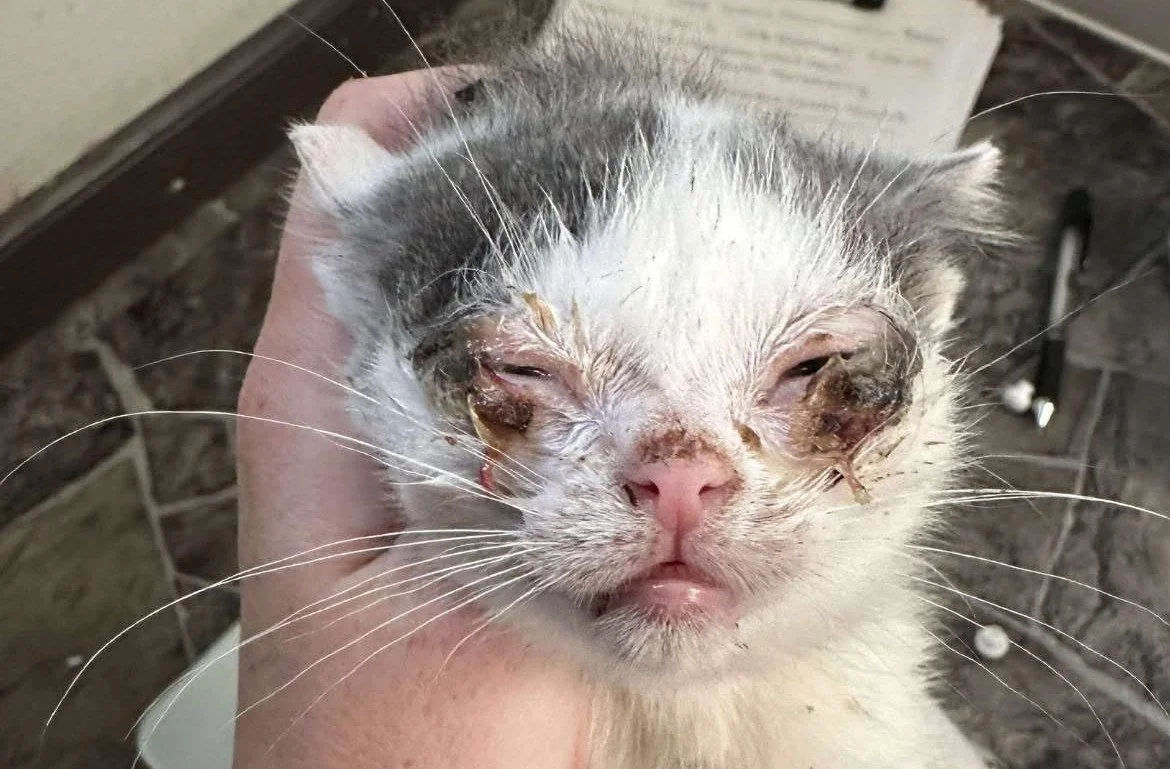
Conjunctivitis
Excessive blinking
Squinting, and discharge from the eyes and nose
Keratitis, or inflammation and infection of the cornea, leading to corneal ulcers.
In chronic or severe infections, keratitis can lead to corneal scarring or chronic “dry eye.”
-
Cat’s are contagious during the incubation period (2-5) days, and most infections remain active for about 10-20 days.
All cats that have been infected with FVR will become carriers. Usually, the virus is inactive in the body unless reactivated due to stress or other illness. In this case, the cat will become contagious again.
There is no cure for FVR.
-
There is no medication to treat the virus itself. However, medications can be used to treat the symptoms and secondary bacterial infections. If eye or nasal discharge becomes yellow or green, it is important to inquire with your veterinarian about whether antibiotics may be recommended.
For eye infections, topical ointments can be prescribed by a veterinarian. If corneal ulcers are present, veterinarian intervention is important to prevent permanent scarring.
Supplements, probiotics, and humidifiers can help shorten the length of symptoms and provide comfort.
-
Standard core vaccines that are given to cats include a vaccine against feline viral rhinotracheitis. This vaccine does not completely prevent infection, however it can decrease the severity of symptoms and shorten the length of active infection.
Carriers of FVR may benefit from vaccine boosters as they could prevent reactivation of the virus.